
Our stories
with DAYBUE®


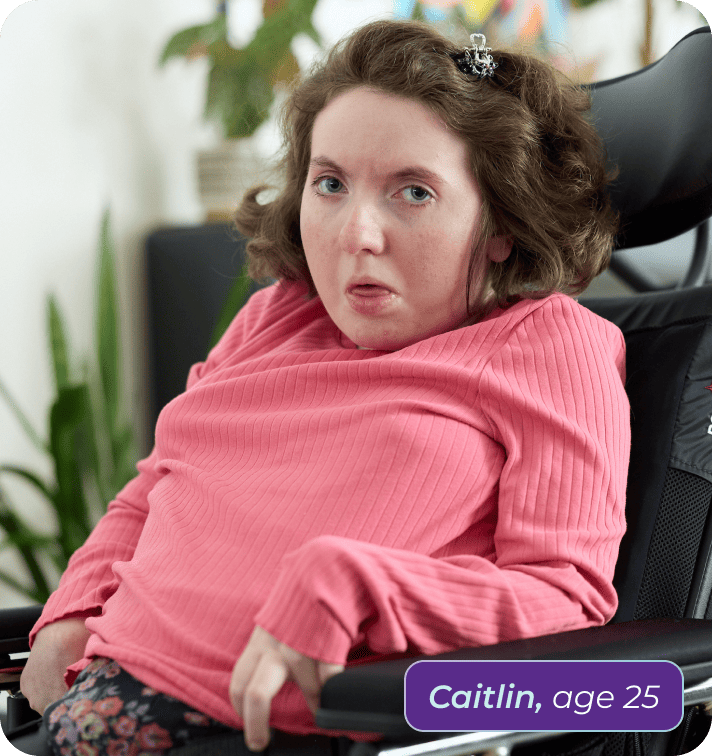
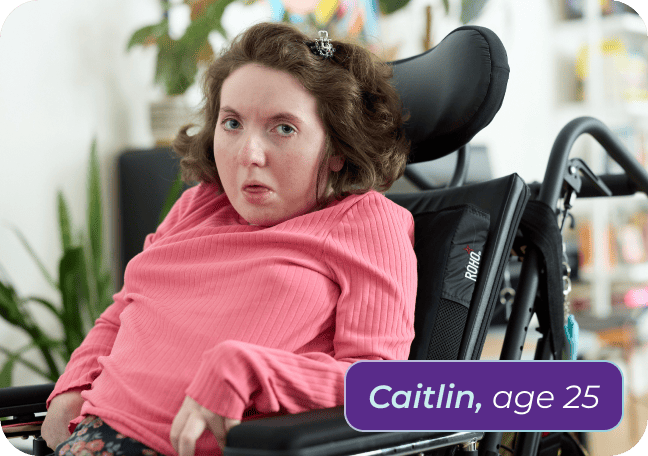
Caitlin has never had control of her hands. Since starting DAYBUE, her hand movements are more relaxed and she has more control. One night at the dinner table, she reached over and touched my arm. Now she does it often, and it helps me understand what she needs.
— Gina, Caitlin's mom
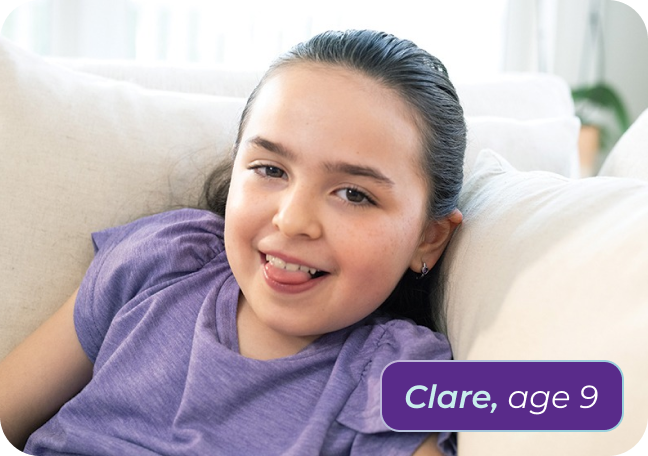
Clare’s eye gaze has improved. She looks at me, which is amazing. She is using eye gaze more to convey her feelings, needs, and wishes.
— Allison, Clare’s mom



Before DAYBUE, Henry used to have bursts of irritability. Since starting DAYBUE, Henry’s mood has improved. He’s less anxious, and his first line of defense isn’t to yell. We feel more confident taking him out to restaurants.
— Carrie, Henry’s mom
It’s really cool to see her being able to do certain things that we know she couldn’t do before. And with all of that, I think the frustration levels for her go down, so we don’t see more of those negative behaviors and things. So, it’s great for her. I think she is happy and proud that she can do certain things on her own.
— Kammy, Holly’s mom




She’ll use her eye-gaze [device] and maybe navigate to a page, and then once she’s there, she’ll make her choices with her hand.
— Jen, Kate’s mom
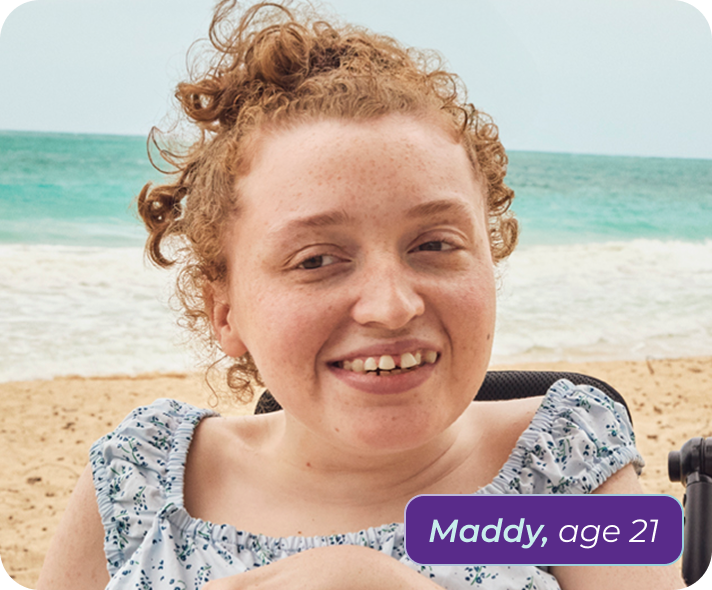
Because Maddy feels better, it’s increased our confidence in going out and doing things with her. We’ve been able to do more trips as a family. We’re like ‘We can do this!’
— Amy, Maddy’s mom
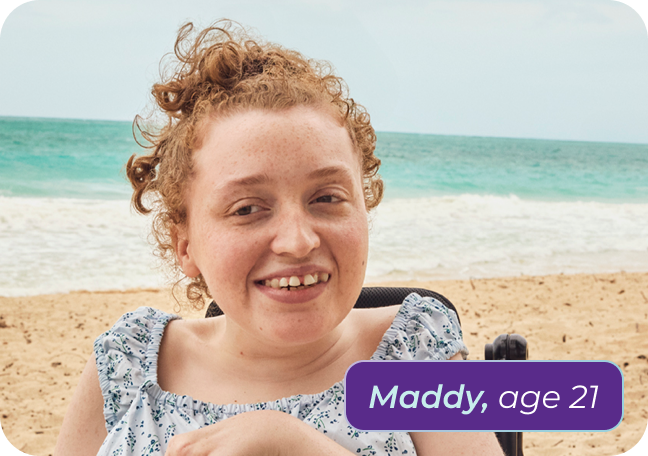


Since starting DAYBUE, Madelyn seems happier, and she smiles more. It’s helped her mood and our lives.
— Angie, Madelyn’s mom
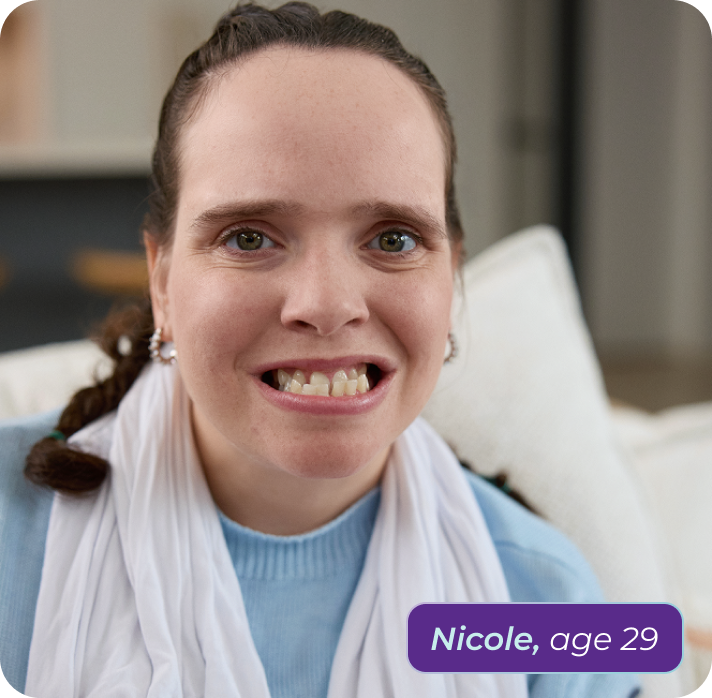
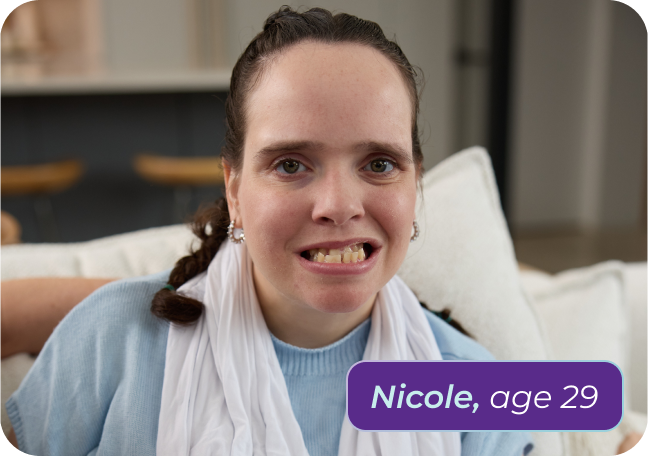
Nicole has always made eye contact, but when someone started talking, she would start to look away. Now since starting DAYBUE, her eye gaze has improved, and she makes eye contact for longer. The whole family has noticed the changes.
— Clare, Nicole’s mom


We’ve seen an improvement in Quinn’s mood. She cries a lot less, and she still probably has about an hour a day where she gets upset, but some days she doesn’t cry at all.
— Lindsay, Quinn’s mom
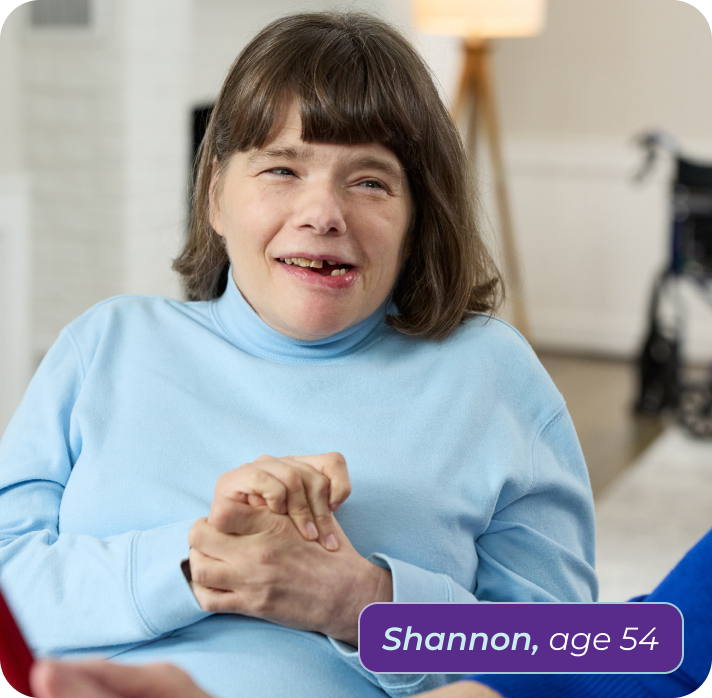
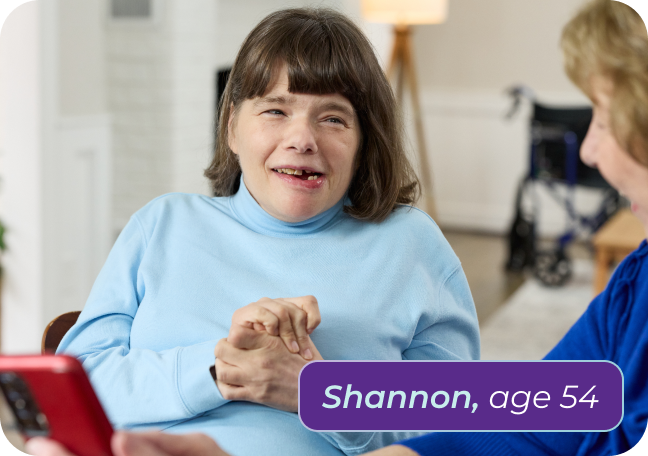
Shannon is 54 years old. I hesitated to start DAYBUE—I kept thinking, I don’t know how this is going to work. But I felt that if DAYBUE had any chance of helping her at all, she deserved that opportunity. And I’m so glad I gave her that chance.
— Martha, Shannon’s mom
Families on this page were compensated for sharing their stories.
Important Notes:
The effectiveness and safety of DAYBUE were evaluated in the 12-week LAVENDER™ clinical study of 187 female patients aged 5 to 20 with Rett syndrome. DAYBUE was shown to significantly reduce the severity in symptoms of Rett syndrome as measured by the Rett Syndrome Behaviour Questionnaire (RSBQ) compared to placebo
RSBQ assessed the following symptoms: breathing, hand movements or stereotypies, repetitive behaviors, nighttime behaviors, vocalizations, facial expressions, eye gaze, and mood
The experiences of the families shown here are unique to them and may not be the same as yours. Not all patients in the clinical study responded to treatment with DAYBUE
These patients were also receiving other types of therapy, like physical, occupational, or speech therapy. Some of these patients experienced side effects, including diarrhea, behavioral issues, or gas
Always speak with a healthcare provider to learn what to expect when starting DAYBUE, including side effects

